Tanit & Horse Coin Pendant
£10,900
Details
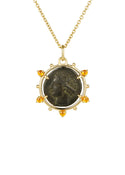
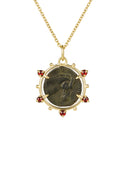
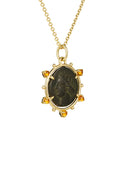
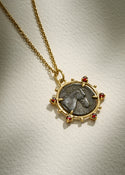
Authentic bronze coin circa 300-264 B.C. set in 18K yellow gold with double-set garnet and citrine cabochons.
Handmade in Rome.
History
Measurements
Delivery
Care
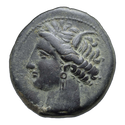
Tanit
(AE)
(AE)
Detailed wreathed head of Tanit, the Carthaginian deity of fertility and motherhood. Her intricate hair and central earring exemplify the excellence of Carthaginian artistry.

Citrine
(QUARTZ)
(QUARTZ)
Citrine, a stunning yellow gemstone, has been cherished for millennia, often regarded as a gift from the sun. Its name, derived from the French word 'citron' for lemon, perfectly captures the bright, distinctive allure of this gem.
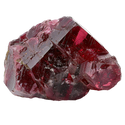
Garnet
(SILICATE)
(SILICATE)
Garnet, typically seen in striking hues of red or orange, is a captivating gemstone that has been precious for millennia, with beads dating back to 3000 B.C. attesting to its timeless allure.

Gold
(18K)
(18K)
It is a dense, soft, malleable, and ductile metal. Gold is highly valued for its beauty, rarity, and resistance to corrosion. It does not tarnish or corrode over time, making it a perfect choice for jewellery.

Tanit
(AE)
(AE)
Detailed wreathed head of Tanit, the Carthaginian deity of fertility and motherhood. Her intricate hair and central earring exemplify the excellence of Carthaginian artistry.

Citrine
(QUARTZ)
(QUARTZ)
Citrine, a stunning yellow gemstone, has been cherished for millennia, often regarded as a gift from the sun. Its name, derived from the French word 'citron' for lemon, perfectly captures the bright, distinctive allure of this gem.

Garnet
(SILICATE)
(SILICATE)
Garnet, typically seen in striking hues of red or orange, is a captivating gemstone that has been precious for millennia, with beads dating back to 3000 B.C. attesting to its timeless allure.

Gold
(18K)
(18K)
It is a dense, soft, malleable, and ductile metal. Gold is highly valued for its beauty, rarity, and resistance to corrosion. It does not tarnish or corrode over time, making it a perfect choice for jewellery.
Our items are handmade in our atelier in Rome.
Delivery is estimated at 4-6 weeks from when the order is placed with the atelier, but we always endeavour to deliver sooner. Our team will be in touch to keep your updated at every stage of production.
Alternatively please contact shop@dubini.co.uk
Contact
If you have any questions regarding our jewellery, the use of our website, or a general customer enquiry about Dubini.
Monday – Friday: 10am – 5pm (GMT)
+44 (0)207 924 6442
shop@dubini.co.uk