Eye of Horus Charm Pendant
Sold


Details
Authentic Egyptian faience udjat-eye, circa 1292–1077 B.C., set in 18K yellow gold with a rose-cut diamond and a rhodolite garnet drop.
Handmade in Rome.
History
Measurements
Delivery
Care

Udjat-Eye
(ANCIENT EGYPTIAN)
(ANCIENT EGYPTIAN)
The udjat, or Eye of Horus, is one of the most enduring symbols of ancient Egypt, representing protection, healing, wholeness and divine power. According to Egyptian mythology, the god Horus lost his eye in a battle with Seth. After it was restored, the healed eye became a powerful emblem of renewal and protection, worn as an amulet by both the living and the dead for thousands of years.
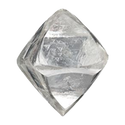
Diamond
(CARBON)
(CARBON)
Diamonds have a long history as beautiful objects of desire. In the first century AD, the Roman naturalist Pliny stated: “Diamond is the most valuable, not only of precious stones, but of all things in this world.” This high esteem reflects the diamond’s journey from formation to adornment.
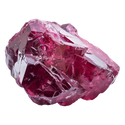
Rhodolite Garnet
(NESOSILICATE)
(NESOSILICATE)
Rhodolite garnet, with its captivating raspberry to purplish-red hues, is a gemstone of inspiration and emotional healing.
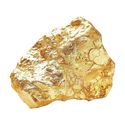
Gold
(18K)
(18K)
It is a dense, soft, malleable, and ductile metal. Gold is highly valued for its beauty, rarity, and resistance to corrosion. It does not tarnish or corrode over time, making it a perfect choice for jewellery.

Udjat-Eye
(ANCIENT EGYPTIAN)
(ANCIENT EGYPTIAN)
The udjat, or Eye of Horus, is one of the most enduring symbols of ancient Egypt, representing protection, healing, wholeness and divine power. According to Egyptian mythology, the god Horus lost his eye in a battle with Seth. After it was restored, the healed eye became a powerful emblem of renewal and protection, worn as an amulet by both the living and the dead for thousands of years.

Diamond
(CARBON)
(CARBON)
Diamonds have a long history as beautiful objects of desire. In the first century AD, the Roman naturalist Pliny stated: “Diamond is the most valuable, not only of precious stones, but of all things in this world.” This high esteem reflects the diamond’s journey from formation to adornment.

Rhodolite Garnet
(NESOSILICATE)
(NESOSILICATE)
Rhodolite garnet, with its captivating raspberry to purplish-red hues, is a gemstone of inspiration and emotional healing.

Gold
(18K)
(18K)
It is a dense, soft, malleable, and ductile metal. Gold is highly valued for its beauty, rarity, and resistance to corrosion. It does not tarnish or corrode over time, making it a perfect choice for jewellery.
Our items are handmade in our atelier in Rome.
Delivery is estimated at 4-6 weeks from when the order is placed with the atelier, but we always endeavour to deliver sooner. Our team will be in touch to keep your updated at every stage of production.
Alternatively please contact shop@dubini.co.uk
Contact
If you have any questions regarding our jewellery, the use of our website, or a general customer enquiry about Dubini.
Monday – Friday: 10am – 5pm (GMT)
+44 (0)207 924 6442
shop@dubini.co.uk