Apollo & Lyre Coin Charm Pendant
Sold


Details
Authentic silver coin circa 27-20 B.C. set in 18K yellow gold.
Handmade in Rome.
History
Measurements
Delivery
Care

Apollo
(HEMIDRACHMA)
(HEMIDRACHMA)
Laureate head of Apollo, adorned with a tainia, a Grecian headband typically worn by deities, accentuating his intricately detailed curls. Revered in both Greek and Roman religions, Apollo was the god of prophecy, healing, truth, and music.
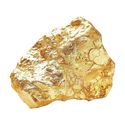
Gold
(18K)
(18K)
It is a dense, soft, malleable, and ductile metal. Gold is highly valued for its beauty, rarity, and resistance to corrosion. It does not tarnish or corrode over time, making it a perfect choice for jewellery.

Apollo
(HEMIDRACHMA)
(HEMIDRACHMA)
Laureate head of Apollo, adorned with a tainia, a Grecian headband typically worn by deities, accentuating his intricately detailed curls. Revered in both Greek and Roman religions, Apollo was the god of prophecy, healing, truth, and music.

Gold
(18K)
(18K)
It is a dense, soft, malleable, and ductile metal. Gold is highly valued for its beauty, rarity, and resistance to corrosion. It does not tarnish or corrode over time, making it a perfect choice for jewellery.
Our items are handmade in our atelier in Rome.
Delivery is estimated at 4-6 weeks from when the order is placed with the atelier, but we always endeavour to deliver sooner. Our team will be in touch to keep your updated at every stage of production.
Alternatively please contact shop@dubini.co.uk
Contact
If you have any questions regarding our jewellery, the use of our website, or a general customer enquiry about Dubini.
Monday – Friday: 10am – 5pm (GMT)
+44 (0)207 924 6442
shop@dubini.co.uk