Juno Coin Pendant
£9,800


Details
Authentic silver denarius coin set in 18K yellow gold with rose-cut diamonds.
Handmade in Rome, each piece is unique.
History
Measurements
Delivery
Care

Juno
(Denarius)
(Denarius)
This denarius depicts Juno Sospita, one of the oldest and most martial aspects of Rome’s queen of the gods. On the obverse, her head faces right, wearing the skin of a goat, its horns framing her face. This attribute identifies her as Juno Sospita, meaning “the Savior,” a protective deity whose cult was centered at Lanuvium, where she was believed to guard the community in times of danger.
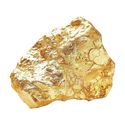
Gold
(18K)
(18K)
It is a dense, soft, malleable, and ductile metal. Gold is highly valued for its beauty, rarity, and resistance to corrosion. It does not tarnish or corrode over time, making it a perfect choice for jewellery.
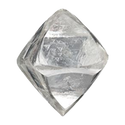
Diamond
(CARBON)
(CARBON)
Diamonds have a long history as beautiful objects of desire. In the first century AD, the Roman naturalist Pliny stated: “Diamond is the most valuable, not only of precious stones, but of all things in this world.” This high esteem reflects the diamond’s journey from formation to adornment.

Juno
(Denarius)
(Denarius)
This denarius depicts Juno Sospita, one of the oldest and most martial aspects of Rome’s queen of the gods. On the obverse, her head faces right, wearing the skin of a goat, its horns framing her face. This attribute identifies her as Juno Sospita, meaning “the Savior,” a protective deity whose cult was centered at Lanuvium, where she was believed to guard the community in times of danger.

Gold
(18K)
(18K)
It is a dense, soft, malleable, and ductile metal. Gold is highly valued for its beauty, rarity, and resistance to corrosion. It does not tarnish or corrode over time, making it a perfect choice for jewellery.

Diamond
(CARBON)
(CARBON)
Diamonds have a long history as beautiful objects of desire. In the first century AD, the Roman naturalist Pliny stated: “Diamond is the most valuable, not only of precious stones, but of all things in this world.” This high esteem reflects the diamond’s journey from formation to adornment.
Our items are handmade in our atelier in Rome.
Delivery is estimated at 4-6 weeks from when the order is placed with the atelier, but we always endeavour to deliver sooner. Our team will be in touch to keep your updated at every stage of production.
Alternatively please contact shop@dubini.co.uk
Contact
If you have any questions regarding our jewellery, the use of our website, or a general customer enquiry about Dubini.
Monday – Friday: 10am – 5pm (GMT)
+44 (0)207 924 6442
shop@dubini.co.uk